


Have a project for us?
DO YOU HAVE ANY QUESTIONS REGARDING YOUR NEXT CONSTRUCTION PROJECT?
Published on: Jun 10, 2024
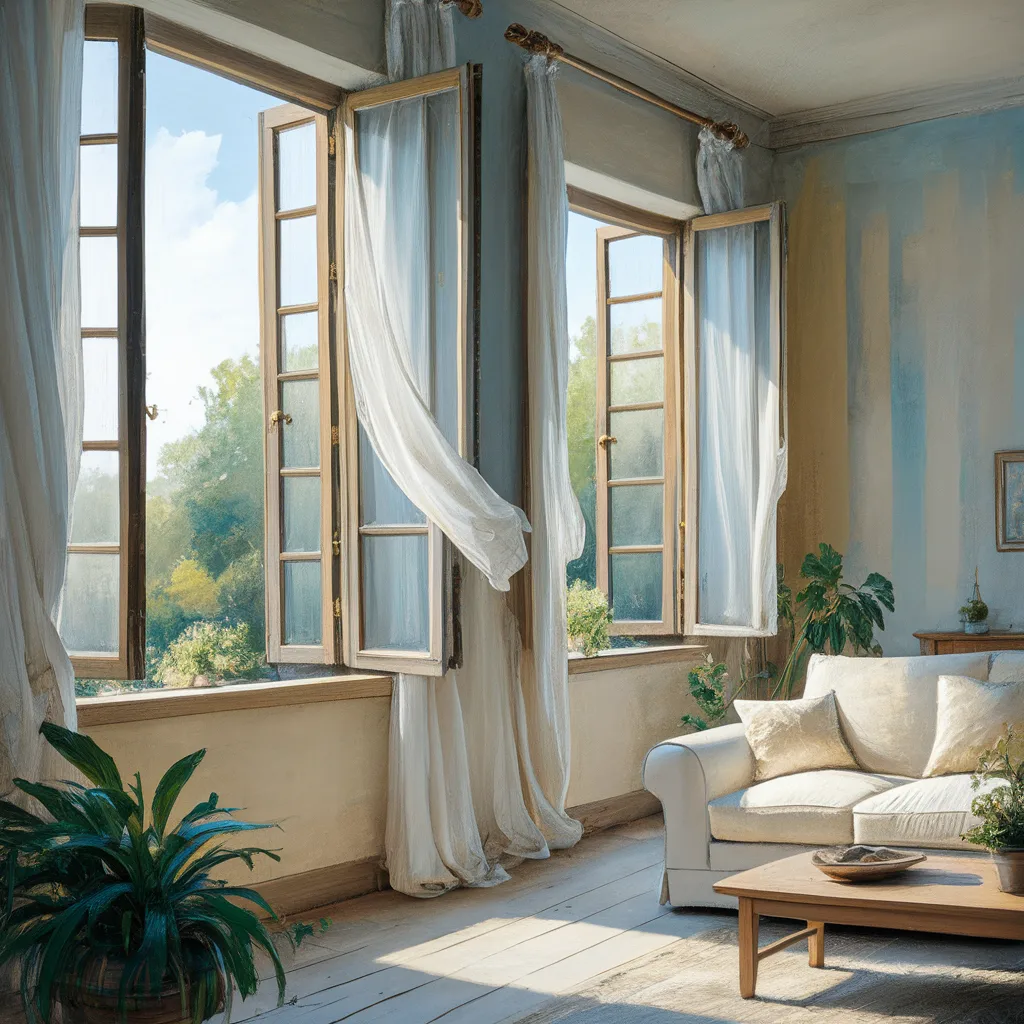
Summer days bring greeneries and cherry blossoms along with the scorching heat to your home. What was once a cozy space turns into an irritating, uncomfortable box making people want to leave the space. For a country like Nepal where temperature can reach 40 degrees during the day, the type of Nepal house you live in plays a major role in determining how well your home can resist heat. Even small design choices like window types or knowing the aluminium windows price in Nepal can influence how effectively your home stays cool during summer. Many modern architecture firms also emphasize climate-responsive design to naturally reduce indoor heat.
When building or renovating a home, consulting a construction company in Nepal or experienced architecture firms can also provide guidance on design choices that naturally reduce heat, such as material selection, wall thickness, and roof treatments.
1. Use of Reflective Paint
The reason why the house is so hot is because of the fact that the slab/concrete absorbs the heat to a certain extent that it increases the temperature of the room. The use of reflective paint helps to decrease the temperature by 3-7 degree celsius for which it is preferred to be used. Regular paints absorb around 70% of the solar radiation while reflecting only 30% increasing the temperature of the house. The reflective paint absorbs only 30% of the solar radiation and reflects around 70% of the radiation, decreasing the temperature and making it comfortable to use. If you can’t afford the reflective paint then the alternative method of using the mixture of chuna and fevicol would do wonders if applied correctly on the terrace of Nepal house.
A reliable construction company in Nepal or leading architecture firms can also suggest the best reflective paint brands and proper application techniques to maximize cooling.
2. Window opening during the right time period
The temperature of your room is also affected by the improper handling of windows throughout the day. The opening of a window during the right period of time helps to maintain a comfortable temperature while opening it during the most scorching sun increases the whole temperature. Keeping the window open during the early morning and afternoon when there's the flow of cool air is the right time and avoid opening the window during the day time around 11-2 when the warm air flows. Alongside the window the use of light colored curtains is preferred to keep the room cool.
No matter what type of Nepal house in Nepal you live in be it traditional brick homes, concrete houses, or modern apartments proper window management can make a noticeable difference in temperature control. Many architecture firms also recommend strategic window placement and ventilation design for better airflow. And if you’re planning to upgrade your home for better heat resistance, comparing aluminium windows price in Nepal or consulting a construction company in Nepal or architecture firms can help you choose energy-efficient and cost-effective window options.
3. Use Of False Ceiling
False ceiling is used not only for decorative purposes but also for controlling the temperature of a room to some extent. The construction of the false ceiling is done in such a way that there’s a gap between the slab and gypsum board which helps in insulation of heat as well as sound to some extent. The gap delays the flow of heat from the slab to the other part , making it a great addition to a Nepal house struggling with summer heat.
A professional construction company in Nepal or experienced architecture firms can also design false ceilings to ensure maximum thermal insulation and durability while keeping the aesthetic appeal intact.
Alternative methods
-Use of cold wet towel in front of the window
-Keeping a cold water bottle or dish full of cold water in front of the table fan.
-Use of exhaust fan in a room with no ventilation
-Use of green shade net over the parapet wall at a distance of 2-2.5ft
-Use of light color on the exterior wallsRegardless of the type of Nepal house in Nepal, these simple and affordable methods can help you beat the summer heat without relying on AC or fan. Many architecture firms also promote these passive cooling techniques as part of sustainable home design. And as more homeowners look for modern solutions, understanding aluminium windows price in Nepal can help in choosing window systems that contribute to better ventilation and reduced heat transfer.
In this way, you can easily decrease the temperature of a room without the use of AC or fan in a short time and with a limited budget. Explore endless ideas for home renovation and design in the captivating Blogs/Articles of GharDurbar - your trusted source for home improvement tips, building materials, and expert insights on every type of Nepal house in Nepal , including helpful guides related to aluminium windows price in Nepal.