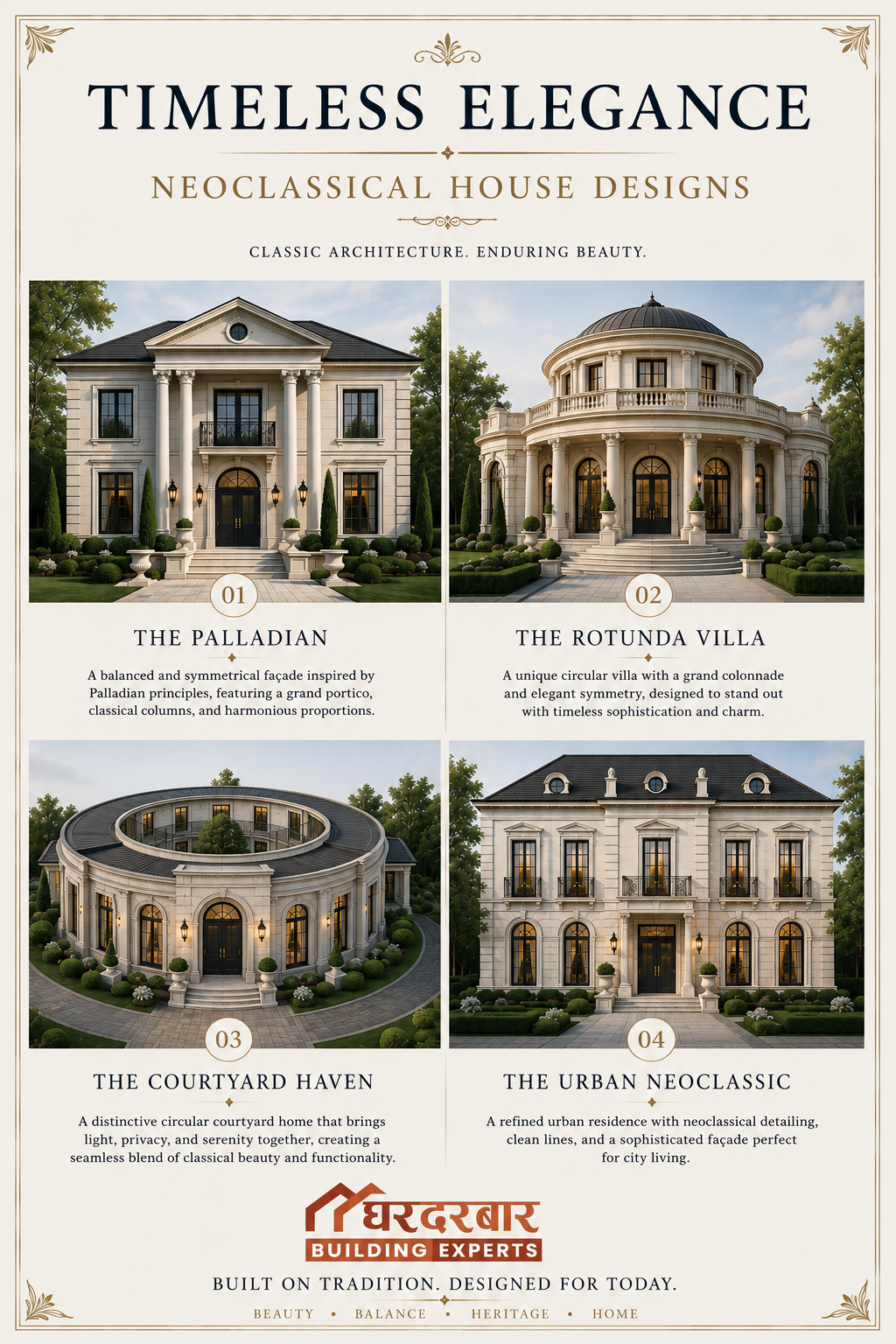
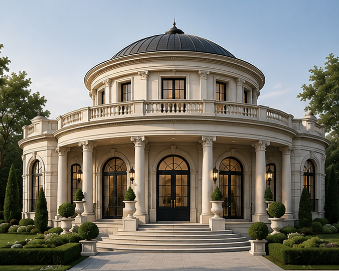
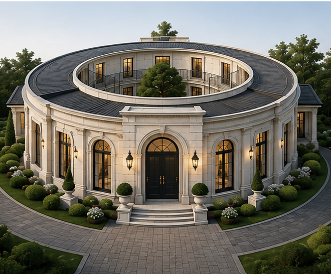
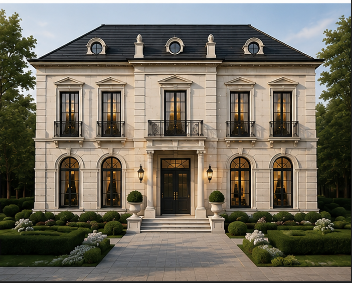
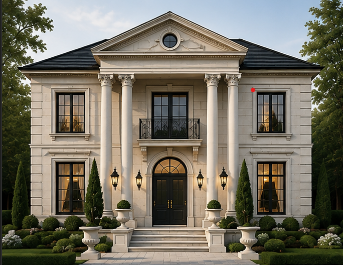
There is something about a neoclassical home that stops you in your tracks. Before you even reach the front door, you feel it. The tall columns rising from the ground, the perfectly balanced windows on either side of the entrance, the quiet confidence of a structure that knows exactly what it is. It does not try to impress you with novelty. It impresses you with permanence.
Neoclassical architecture has been doing this for over two centuries, and it shows no signs of slowing down. If anything, it has grown more relevant in today's world, where homeowners are increasingly looking for something that goes beyond trends and delivers a living experience rooted in beauty, proportion, and lasting elegance.
This blog explores what makes neoclassical house designs so enduring, how they carry tradition into modern living, and why they remain one of the most sought-after architectural styles for luxury homes across the world.
Where It All Began
To appreciate neoclassical design, you have to understand where it came from. The style emerged in the 18th century as a conscious response to the excess of Baroque and Rococo architecture. Those styles were beautiful in their own way, filled with ornate curves, gilded surfaces, and decorative complexity. But over time, architects and thinkers of the Enlightenment era wanted something more restrained, more rational, and more connected to the great civilizations of ancient Greece and Rome.
The result was neoclassicism. A style built on symmetry, clean geometry, and a quiet sense of grandeur. It was not about removing beauty from architecture. It was about finding beauty in discipline and proportion.
From Europe, the style spread across the world. It shaped the look of government buildings, universities, grand estates, and eventually private homes. Even the White House in Washington D.C. is a recognizable example of neoclassical design, with its symmetrical facade, grand columns, and formal central portico.
Today, homeowners who choose neoclassical architecture are participating in that same tradition, bringing its principles into contemporary residential design with modern materials, updated floor plans, and refined interiors that match current lifestyles.
What Defines a Neoclassical Home
People often use the word "neoclassical" loosely, applying it to any home that feels formal or has columns out front. But the style has specific characteristics that define it, and understanding them helps you appreciate why these homes look the way they do.
Symmetry is the foundation. In a true neoclassical home, the facade is balanced. The windows on the left mirror the windows on the right. The entrance sits at the center. Everything is ordered. This is not just an aesthetic preference. It reflects a philosophy rooted in balance and rationality, the belief that beauty comes from harmony rather than chaos.
Columns are perhaps the most recognizable element. Whether they are tall and fluted running the full height of the building, or shorter pilasters framing the entrance, columns signal neoclassical intent immediately. They reference the temples of ancient Greece and Rome and bring that sense of civic grandeur to a private residence.
The roofline in a neoclassical home is typically clean and triangular, often featuring a pediment above the main entrance. This is the same triangular gable you see on classical temples, and it ties the home visually to that ancient tradition.
Windows in these homes are tall, evenly spaced, and often multi-paned. They allow generous natural light into the interiors while maintaining the ordered rhythm of the facade. Semi-circular windows above doorways, called fanlights, are another common detail that adds both visual interest and classical reference.
Inside, the interiors carry forward the same sensibility. High ceilings give rooms a sense of volume. Crown moldings and wainscoting add architectural detail to walls. Staircases are generous and often the visual centerpiece of the entrance hall. Fireplaces feature carved mantels. The overall effect is of a home that takes itself seriously, not in a cold or unwelcoming way, but in the way a beautifully tailored suit carries itself.
The Materials That Make It Work
One reason neoclassical homes feel so luxurious is the quality of the materials used. The style demands it. You cannot build a convincing neoclassical home with cheap finishes. The architecture calls for materials that age well, feel substantial, and communicate permanence.
Marble is central to this. Whether on floors, staircases, fireplace surrounds, or countertops, marble brings a sense of grandeur that is difficult to replicate with any other material. Its natural variation means no two surfaces are identical, giving each home its own character within a shared aesthetic language.
Stone and brick exteriors are typical in traditional neoclassical construction, though modern builds often use rendered finishes in cream, white, or soft grey tones to achieve the clean, elegant look associated with the style. The color palette of a neoclassical home exterior is almost always understated. It is the architecture that speaks, not the color.
Indoors, hardwood floors with herringbone or chevron patterns are a natural fit. Bronze hardware on doors and cabinetry adds warmth and texture. Crystal chandeliers catch and scatter light in ways that feel both theatrical and timeless. Velvet upholstery in deep tones brings richness to seating areas.
The combination of these materials is what creates the experience of luxury in a neoclassical home. Each element is chosen not just for how it looks, but for how it contributes to the overall sensory atmosphere of the space.
Tradition Meets the Modern Lifestyle
One of the most common questions people have about neoclassical homes is how they work for contemporary living. The style has its roots in a different era, and there is a reasonable concern that a neoclassical home might feel more like a museum than a place to actually live.
The reality is quite different. The most successful neoclassical homes today manage to hold the classical aesthetic while accommodating every comfort and convenience of modern life. This is where the skill of a good architect or designer makes all the difference.
Open floor plans, for instance, can be incorporated into a neoclassical framework without sacrificing the formal quality of the design. The key is in how spaces flow from one to another, how doorways are proportioned, and how natural light is managed. A neoclassical home can have a kitchen that connects to a family living area, a home office with smart technology built into its walls, and a bathroom that feels like a private spa, all while maintaining the architectural language of the style throughout.
Modern technology is also increasingly integrated into these homes in ways that are invisible by design. Built-in audio systems, intelligent lighting controls, and concealed screens preserve the aesthetic integrity of the interiors while delivering the functionality that contemporary homeowners expect. The philosophy is to let tradition set the visual tone while technology handles the practicalities quietly in the background.
Outdoor spaces in neoclassical homes are equally thoughtful. Symmetrical landscaping with manicured hedgerows, stone pathways, and formal garden layouts extend the architectural language of the house into the grounds. Semi-circular or rectangular balconies with balustrades create connections between interior and exterior without disrupting the visual harmony of the facade.
Neoclassical Design in South Asia and Nepal
Neoclassical architecture has found a warm reception across South Asia, where it resonates with a cultural appreciation for grandeur, ceremony, and the weight of tradition. In countries like India and Nepal, where architecture has always carried deep cultural meaning, the neoclassical idiom maps naturally onto existing sensibilities around beauty, craftsmanship, and the role of the home as a statement of identity and aspiration.
In Nepal particularly, where Ghar Durbar serves homeowners and design enthusiasts, neoclassical design has become a popular choice for luxury residences. Families building their dream homes are drawn to the style's ability to communicate permanence and pride of place. A neoclassical home in Kathmandu or in the Terai plains carries a certain weight, a sense that it was built to last and to be admired across generations.
The style also adapts well to the local context. Cream and white exterior finishes work beautifully against the backdrop of Nepal's natural landscape. The generous proportions of neoclassical interiors suit the South Asian tradition of hospitality, where homes regularly host extended family gatherings and ceremonies that benefit from large, gracious spaces.
Local craftsmen and materials can also be incorporated into neoclassical builds in ways that honor both the architectural style and the local heritage. Stone carved with classical motifs, hardwood joinery, and hand-laid tilework can all find a place within the neoclassical framework, creating homes that feel both internationally sophisticated and distinctly rooted in their place.
Designing Your Own Neoclassical Home
If you are considering a neoclassical home, the first and most important step is finding the right architect. This is a style that punishes poor execution. When the proportions are slightly off, when the columns are too thin or too heavy, when the symmetry is not quite right, the whole thing falls flat. But when it is done well, the result is extraordinary.
Start with the exterior. The facade is the first and most lasting impression your home will make. Think carefully about the placement and sizing of columns, the height and rhythm of windows, and the design of the roof and pediment. Every element should feel considered and resolved.
Inside, invest in the details that define the style. Crown moldings, coffered ceilings, paneled doors, and carved fireplaces are not merely decorative. They are what distinguishes a genuinely neoclassical interior from one that is simply trying to look formal.
Choose your materials with care. Quality matters enormously in this style. Marble that feels warm and alive underfoot, hardware that has weight and substance in your hand, fabrics that invite touch rather than repel it. These choices accumulate into an overall experience that is either genuinely luxurious or simply expensive-looking. The difference is in the selection.
Finally, think about how you want to live in the home. Neoclassical architecture is at its best when it serves the people inside it, when the grand entrance hall also functions as a welcoming arrival point for guests, when the formal dining room is actually used for the meals and conversations that matter, when the classical proportions of a bedroom make it genuinely restful rather than merely impressive. The tradition is worth honoring, but the life you live in your home comes first.