Have a project for us?
DO YOU HAVE ANY QUESTIONS REGARDING YOUR NEXT CONSTRUCTION PROJECT?
Published on: May 15, 2026
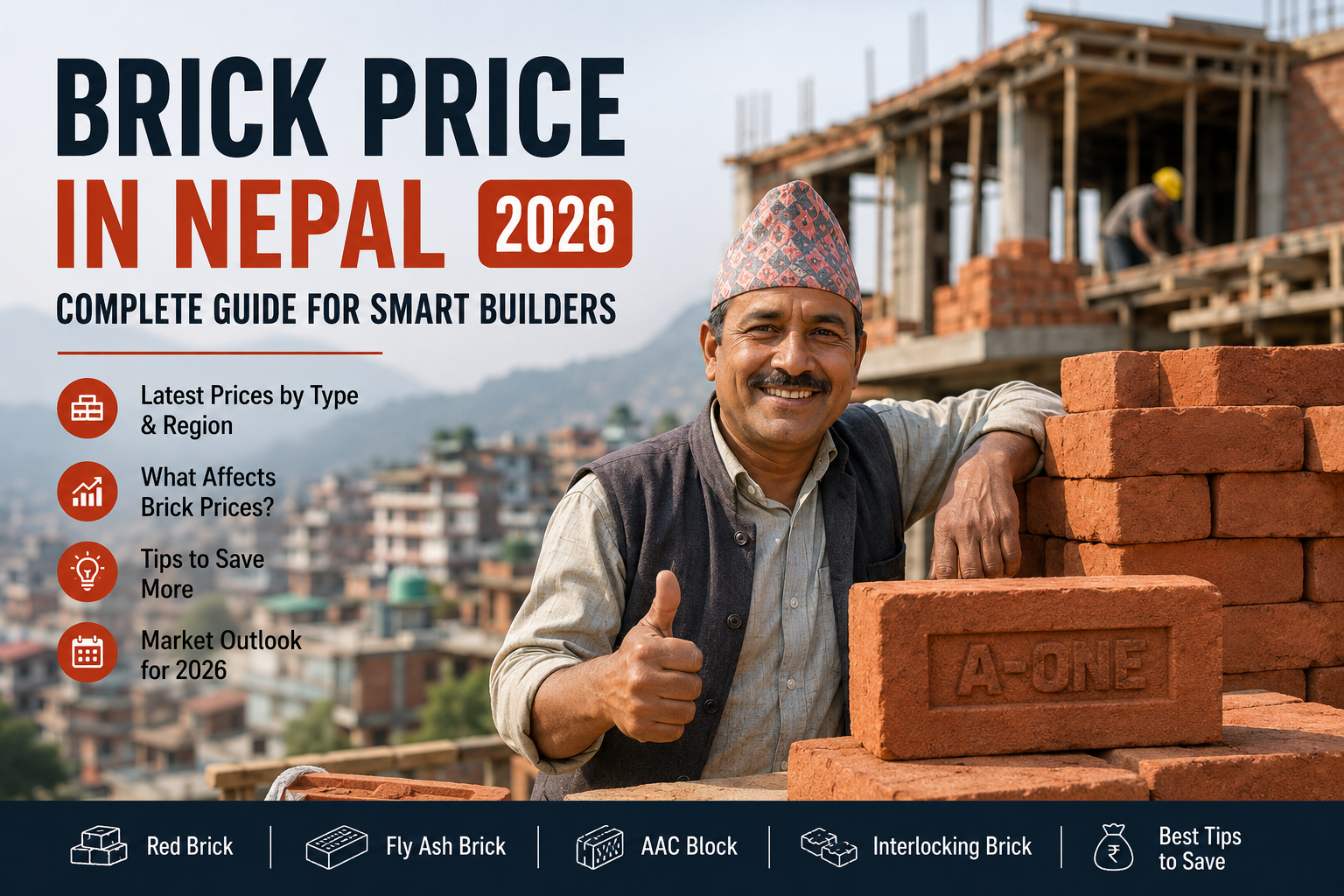
If you are planning to build a house in Nepal, one of the first questions on your mind is: what is the current brick price? Bricks are the backbone of almost every residential and commercial construction in Nepal, and their cost can significantly shape your total budget. Whether you are building in Kathmandu, Pokhara, Chitwan, or a remote hill district, understanding the latest brick rates along with brick size in Nepal standards and what drives them will help you plan smarter and spend wisely.
This comprehensive guide from GharDurbar.com covers everything you need to know: current prices by type and region, standard brick size in Nepal, factors that affect cost, tips to save money, and a look at what the market may look like for the rest of 2026.
Bricks are not just a building material they are often the single largest line item in a residential construction budget. A standard Nepali house requires anywhere between 12,000 to 16,000 bricks, which means even a small change in price per piece can translate into a difference of several lakhs of rupees in your total cost.
Along with price, understanding the correct brick size in Nepal is equally important because brick dimensions directly affect wall thickness, mortar usage, labour cost, and the total number of bricks needed for construction.
With construction material inflation running at over 7% in Q1 2026 (Nepal Bureau of Statistics), staying updated on current brick prices and standard brick size in Nepal measurements is more important than ever.
Brick prices in Nepal vary by type, quality, region, supplier, and even the brick size in Nepal used for the project. The figures below are approximate market estimates as of May 2026. Always request a direct quote from your local supplier before finalizing a budget.
Price by Brick Type (Per Piece)
| Brick Type | Price Range (NPR per piece) | Common Use |
| Red Clay Brick (1st Class / Aval) | NPR 18 – 25 | Residential walls, load-bearing structures |
| Red Clay Brick (2nd Class) | NPR 14 – 18 | General construction, non-load-bearing walls |
| Chinese (Machine-Made) Brick | NPR 22 – 28 | Modern construction, exposed brick finishes |
| Fly Ash Brick | NPR 15 – 25 | Eco-friendly, thermal insulation, non-load-bearing |
| Interlocking Brick | NPR 45 – 65 | Roads, garden walls, outdoor spaces |
| AAC Block (Autoclaved Aerated Concrete) | NPR 60 – 100 | High-rise, commercial, lightweight structures |
| Cement / Concrete Brick | NPR 15 – 30 | Load-bearing walls, boundary fences |
| Hollow Brick | NPR 25 – 45 | Sound insulation, partition walls |
One of the most searched construction topics today is brick size in Nepal because correct brick dimensions are essential for proper structural planning and accurate quantity estimation.
The standard traditional red clay brick size in Nepal is generally:
However, actual brick dimensions may vary slightly depending on kiln, region, and manufacturing process.
| Brick Type | Standard Brick Size in Nepal |
| Traditional Red Brick | 230 × 110 × 55 mm |
| Chinese Machine Brick | 240 × 115 × 53 mm |
| Fly Ash Brick | 230 × 110 × 75 mm |
| Hollow Brick | 400 × 200 × 200 mm |
| AAC Block | 600 × 200 × 100–300 mm |
| Interlocking Brick | Varies by design |
Knowing the proper brick size in Nepal helps builders calculate wall area, mortar quantity, and total construction material requirements more accurately.
| Quality Grade | Price per 1,000 Bricks (NPR) |
| 1st Class (Aval) | 1st Class (Aval) |
| 2nd Class | NPR 14,000 – 20,000 |
| Terai-sourced (delivered to Kathmandu) | NPR 15,000 – 22,000 |
Where you build matters enormously for your brick budget and the availability of standard brick size in Nepal products.
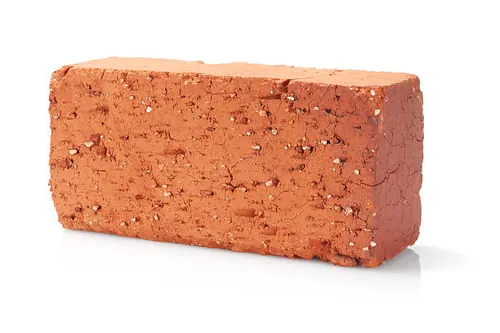
The most widely used brick in Nepal. Produced in kilns mostly in the Terai, red clay bricks are durable, affordable, and proven across generations of Nepali homes. The standard brick size in Nepal for traditional red bricks is usually 230 × 110 × 55 mm.
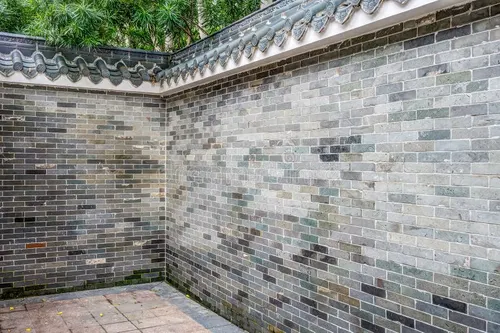
Often referred to as "Chinese itta" in the local market, these are red clay bricks manufactured using modern tunnel-kiln technology. They offer a consistent size, smooth finish, and minimal warping ideal for exposed brick walls, modern aesthetics, or projects requiring precision.
Their machine precision makes their brick size in Nepal more uniform compared to traditional kiln bricks. Expect to pay NPR 22–28 per piece for good-quality Chinese bricks.
3. Fly Ash Bricks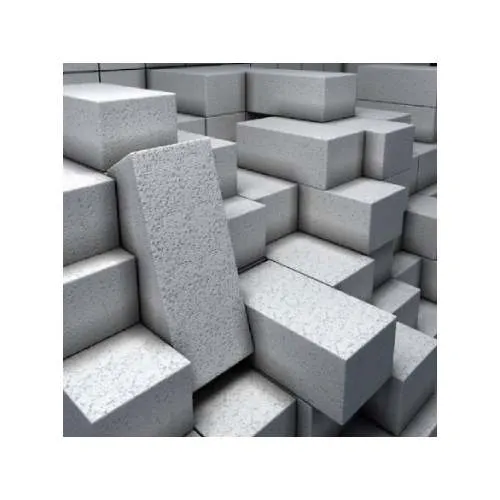
Made from industrial fly ash (a by-product of coal combustion), these bricks are lighter, have better thermal insulation, and are more environmentally friendly than traditional clay bricks. Their price (NPR 15–25/piece) is often lower than standard red bricks, and Nepal's government has introduced policies to encourage their use. Fly ash brick size in Nepal dimensions are often slightly taller than traditional clay bricks.
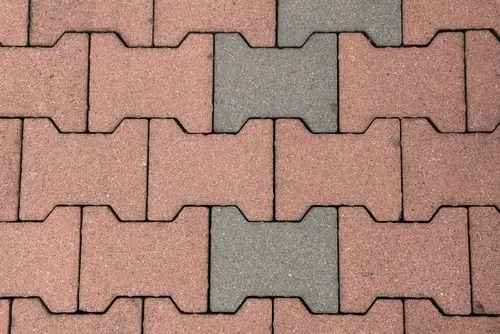
Engineered to lock together without mortar on vertical joints, interlocking bricks reduce labour time and cement usage significantly.
Though pricier per piece (NPR 45–65), the savings on labour and mortar can make them cost-effective for boundary walls, garden paths, and roads. Interlocking brick size in Nepal varies depending on manufacturer and design pattern.
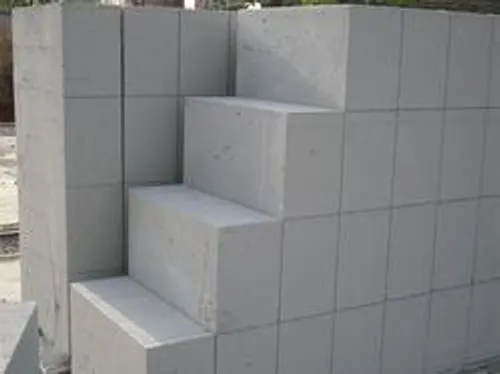
Lightweight, fire-resistant, and excellent insulators, AAC blocks are growing in popularity for commercial and high-rise buildings in Nepal. They speed up construction and reduce structural load. The trade-off is a higher per-unit cost (NPR 60–100), making them a premium choice.
Compared to traditional brick size in Nepal, AAC blocks are much larger in dimension, which helps reduce joint lines and construction time.
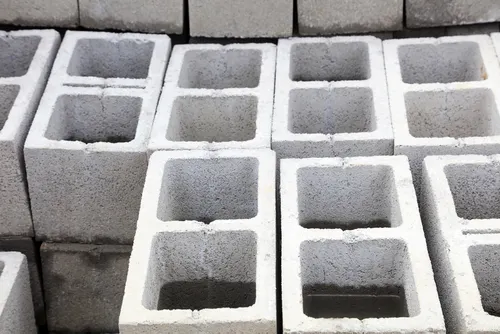
Hollow bricks offer good sound insulation and reduce wall weight, making them useful for partition walls. Cement/concrete bricks are dense and strong, suitable for boundary walls and load-bearing applications in certain designs.
The brick size in Nepal for hollow blocks is significantly larger than standard red bricks, making them ideal for faster wall construction.
Understanding why prices change helps you time your purchase and negotiate better.
Use this rough guide to estimate your total brick requirement based on standard brick size in Nepal dimensions:
Always add a 10% buffer for wastage, breakage during transport, and mortar offcuts. Cutting this buffer to save money can leave your project short at a critical moment.
Don't skip these simple checks before accepting a brick delivery:
These checks align with the Nepal Building Code 2020 requirements and IS 1077:1992 standards.
The market expects brick prices to continue their upward trend through the remainder of 2026. Key drivers include:
If you are planning a build, locking in prices and placing orders sooner rather than later is generally the smarter financial move this year.
1. What is the current brick price in Nepal in 2026?
Brick prices in Nepal in 2026 generally range from NPR 15 to NPR 28 per piece for standard bricks, depending on type, quality, and region. Premium options like AAC blocks and interlocking bricks can cost significantly more.
2. What is the standard brick size in Nepal?
The standard traditional brick size in Nepal is approximately 230 mm × 110 mm × 55 mm (9 × 4.5 × 2.2 inches). However, sizes may slightly vary for machine-made, fly ash, and AAC blocks.
3. Why do brick prices vary across Nepal?
Brick prices differ due to transportation costs, kiln location, fuel prices, demand in urban areas like Kathmandu, and the type of brick used. Terai regions are generally cheaper than hilly or remote areas.
4. How many bricks are needed to build a house in Nepal?
A typical 1,000 sq. ft. house in Nepal requires around 12,000 to 15,000 bricks, while a two-storey house may need 20,000 to 30,000 bricks, depending on design and wall thickness.
5. Which type of brick is best for house construction in Nepal?
First-class red clay bricks (Aval) are most commonly used for structural walls due to their strength and durability. However, fly ash bricks and AAC blocks are gaining popularity for eco-friendly and modern construction.
6. When is the best time to buy bricks in Nepal?
The best time to buy bricks is during the February to April (pre-monsoon season) when demand is lower and prices are typically 8–12% cheaper compared to peak construction season.
Bricks are not just a commodity they are the literal foundation of your home. Knowing the current brick price in Nepal, the differences between types, and the regional variations gives you the power to negotiate fairly, budget accurately, and build safely.
Tags: brick price Nepal, brick price in Nepal 2026, ईंटको मूल्य नेपाल, construction materials Nepal, red brick price Kathmandu, Chinese brick price Nepal, fly ash brick Nepal, house construction Nepal