Have a project for us?
DO YOU HAVE ANY QUESTIONS REGARDING YOUR NEXT CONSTRUCTION PROJECT?
Published on: May 28, 2026
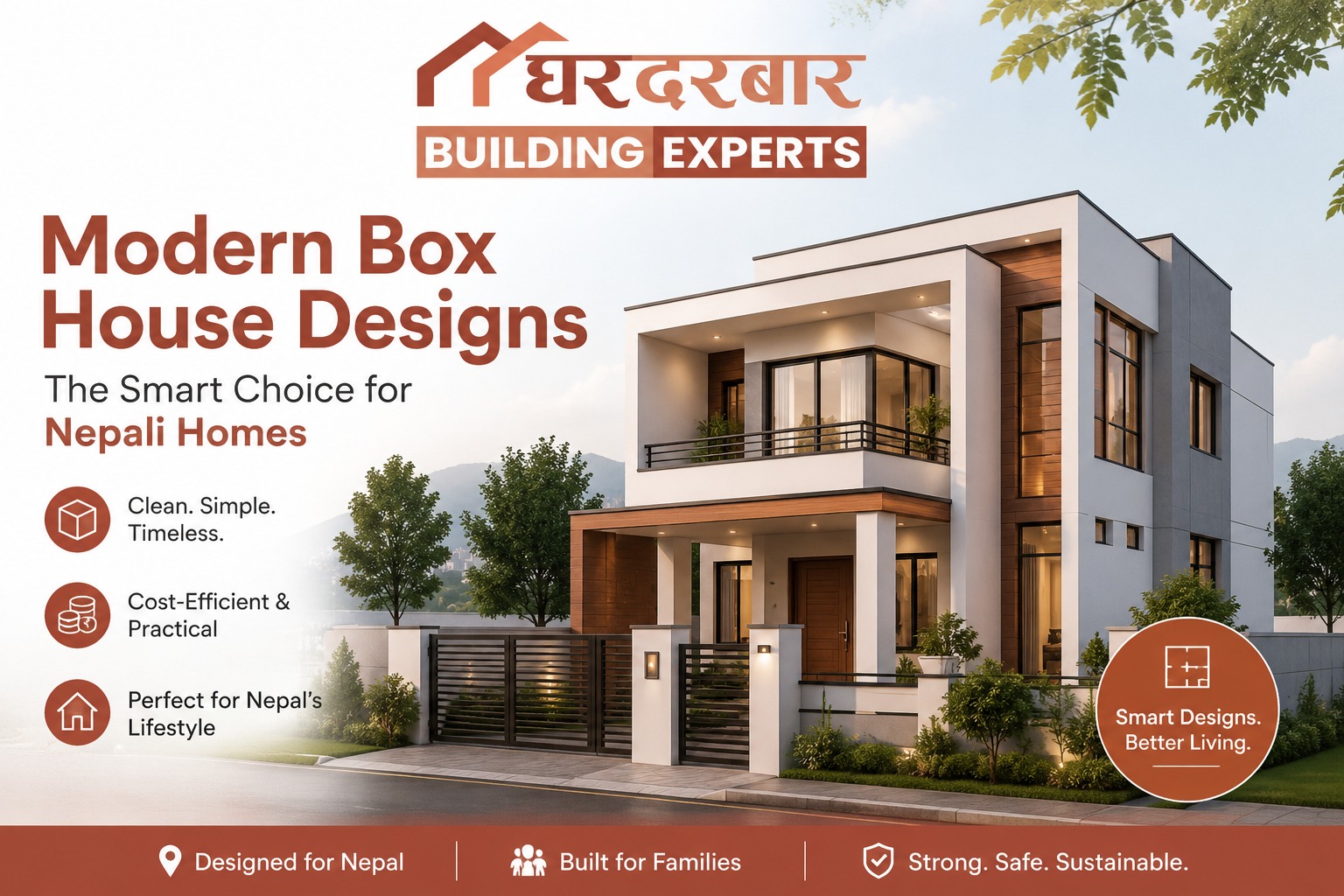
If you have been thinking about building a new home in Nepal and keep coming across the term "box house," you are not alone. Over the last few years, box house designs have become one of the most talked-about trends in Nepalese residential architecture, and for good reason. They are clean, practical, cost-efficient, and honestly, they just look really good. Whether you are planning to build in Kathmandu, Pokhara, Chitwan, or a smaller town, a box house might just be exactly what your family needs.
In this blog, we will walk you through what box house designs are, why so many modern Nepali families are choosing them, and some of the best design ideas you can consider for your own home.
What Exactly Is a Box House?
A box house is a modern architectural style built around geometric shapes, mostly rectangular or cubic volumes stacked or arranged together. Think flat roofs, straight clean edges, large windows, and a no-fuss exterior that looks both sharp and timeless. There are no excessive ornamental details or complicated roof lines. What you see is exactly what it is: a well-proportioned, thoughtfully designed living space.
This style originally gained popularity in Western countries but has found a very natural home in Nepal, especially in urban and semi-urban areas where land is limited and families want to make every square foot count.
Why Are Nepali Families Choosing Box Houses?
There are a few honest reasons why box house designs have caught on so strongly in Nepal.
First, land is expensive. In Kathmandu Valley especially, most families are working with relatively small plots, often between 3 to 8 aana. Box house designs are excellent for compact plots because they go vertical smartly. You get multiple floors without wasting space on wide staircases or unnecessary hallways.
Second, the construction is more straightforward compared to traditional sloped-roof or highly ornate designs. When the structure is simpler, costs are more predictable and construction timelines tend to be faster.
Third, and this one matters a lot in Nepal, box houses can be designed to be earthquake-resistant. With the right structural engineering, the reinforced concrete frames that box houses rely on can perform very well under seismic stress. After 2015, this has become a genuine priority for most Nepali homeowners.
Finally, box houses just feel modern. Young families who want a home that reflects their lifestyle, not necessarily their grandparents' era, are naturally drawn to this style.
Best Box House Design Ideas for Modern Nepali Families
Here are some design approaches that work particularly well given Nepal's land sizes, family structures, and climate:
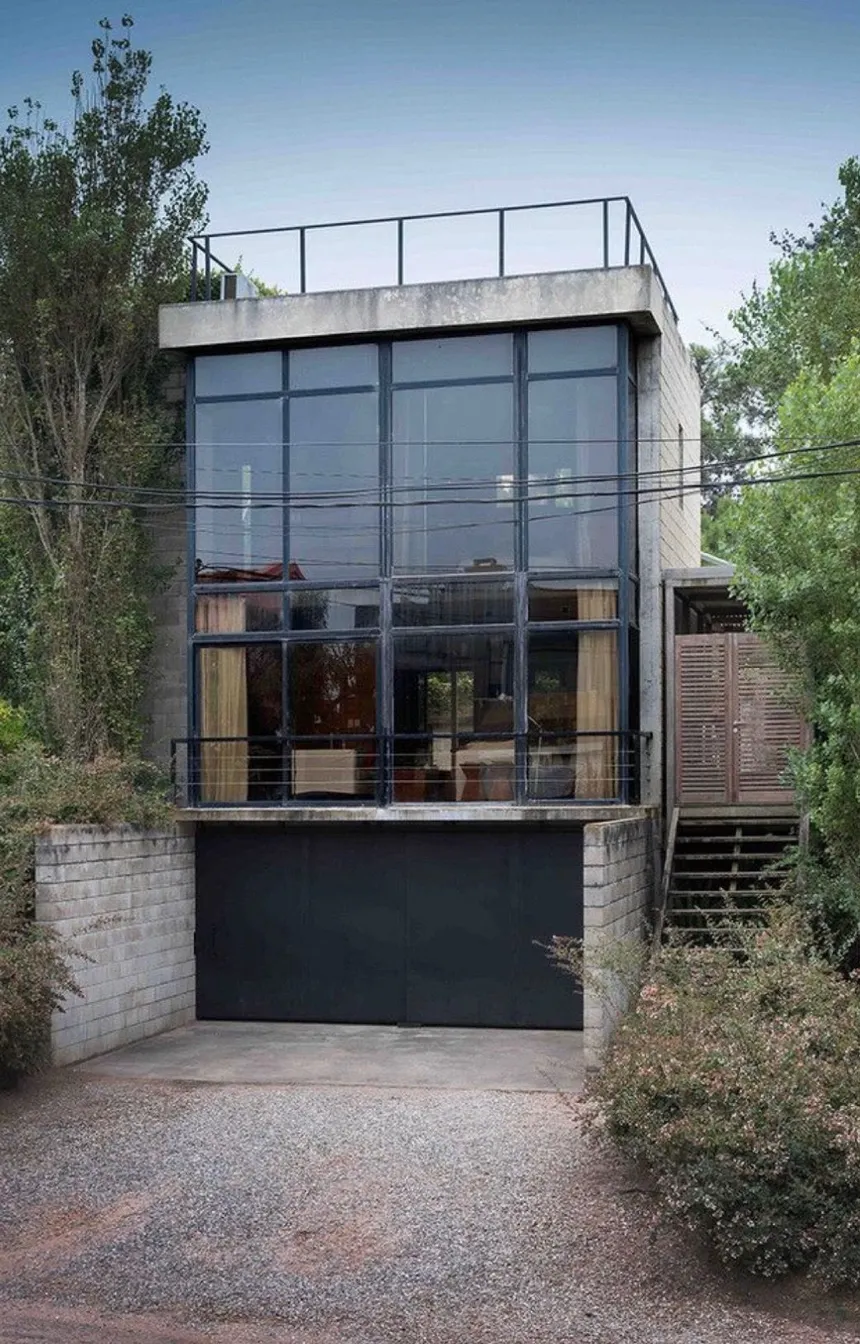
This is probably the most common type you will see being built in places like Kathmandu, Bhaktapur, and Lalitpur. A small plot, often 3 to 5 aana, is used to build 2.5 to 3.5 storeys. Each floor is designed with a purpose: the ground floor might have a garage and utility room, the first and second floors have the main living spaces and bedrooms, and the top floor often has a terrace or multipurpose room.
The key to making this work is smart floor planning. Rooms need to flow naturally, natural light needs to reach every corner, and the staircase placement matters more than most people realize. When done right, a 3-storey box house on 4 aana can comfortably house a family of five or six, which is exactly what most Nepali families need.
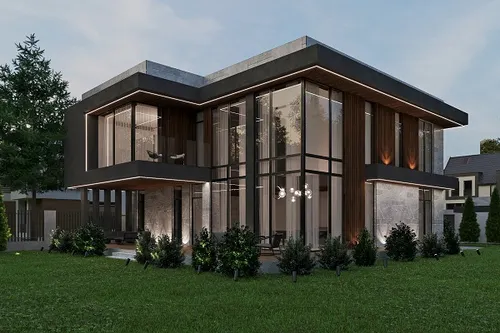
In Nepal, it is very common for two generations to live together, or for siblings to share a plot and build together. Box house designs handle this beautifully. You can design two independent units within the same structure, each with its own entrance, kitchen, and living space, while sharing the overall roof and structure.
This reduces costs significantly compared to building two separate houses, and the clean geometry of box design makes it easy to create a unified, aesthetically pleasing exterior even when the interior is divided for two families. Many families in Pokhara and Chitwan are doing exactly this.
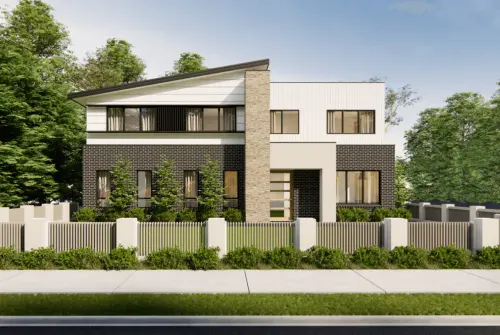
If your land happens to sit on a corner where two roads meet, a box house design can take full advantage of this. Large windows on both sides, a main entrance that commands attention, and a design that looks great from multiple angles. Corner plot box houses in Nepal are often the ones that turn heads. The flat rooftop can become a beautiful terrace where the family spends evenings, making full use of Nepal's pleasant weather most of the year.
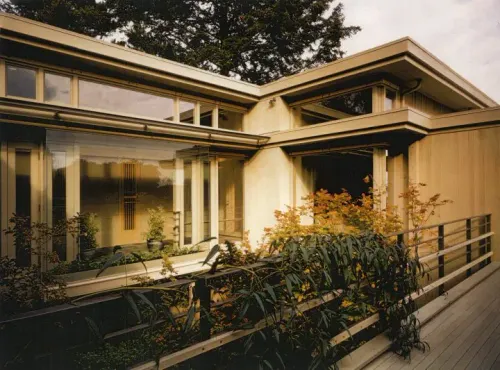
Outside of the valley, in places like Dhulikhel, Godawari, Tansen, or even the outskirts of Pokhara, families have more land and a natural environment to work with. Here, box house designs can be elevated into something truly special. Floor-to-ceiling glass panels framing a mountain view, a cantilevered section of the house jutting out over a sloped garden, or a rooftop plunge pool with Himalayan views in the distance.
These designs do cost more, but the integration of nature into the architecture is what makes them memorable. Ghardurbar has worked on projects in these kinds of settings, and the results always exceed what clients imagined when they first started planning.
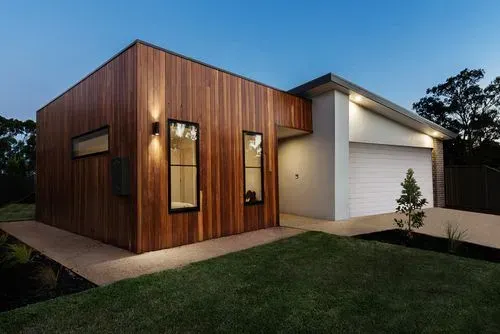
Not every family wants or needs multiple floors. A well-designed single storey box house on 5 to 7 aana can be an absolutely comfortable and elegant home. The layout is often more open, with a living room, dining space, and kitchen flowing into each other, bedrooms tucked toward the back, and a garden or courtyard in the front or rear.
Single storey homes are also more accessible for elderly family members, which matters a great deal in Nepali households where grandparents often live with the family. The white or grey exterior that most box houses carry looks especially clean on a single storey build surrounded by greenery.
Important Things to Think About Before You Start
If you are planning to build a box house in Nepal, there are a few things worth keeping in mind before you finalize anything.
Building regulations vary by municipality. Kathmandu Metropolitan, Lalitpur, Pokhara, and other local bodies all have their own rules about setbacks, floor area ratios, and building heights. Always check with your local ward office or work with engineers who understand your area's regulations.
The flat roof, which is one of the signature features of a box house, needs to be properly waterproofed. Nepal gets heavy monsoon rains, and any compromise on waterproofing will cost you far more in repairs later than it would have to do it right the first time.
Structural engineering should never be treated as optional. A box house that looks beautiful but was built without proper structural drawings is a risk no family should take. Always work with licensed engineers and architects, and make sure your design includes earthquake-resistant features in the foundation and column design.
Finally, think about ventilation. Box houses with small windows might look sleek in a design render, but in Nepal's climate you want cross ventilation. Work with your architect to place windows thoughtfully so you get good natural airflow through every room.
How GharDurbar Can Help
At GharDurbar, our team of architects, engineers, and construction professionals has been working on residential projects across Nepal for over a decade. We understand the land, the climate, the regulations, and most importantly, what Nepali families actually need in a home. Box house designs are something we have worked on extensively, from compact urban builds in Kathmandu to hillside homes in the Kavrepalanchok area.
Whether you are just starting to think about building or you already have a plot and a budget in mind, we are happy to sit down with you and talk through what is possible. Good design does not have to be expensive. It just has to be thoughtful.
If you would like to explore design options for your family, reach out to us through the inquiry form on our website or give us a call. We would love to be part of your home-building journey.
Final Thoughts
Box house designs represent a genuine shift in how Nepali families are thinking about home. They are not just a trend imported from abroad. They make sense for our land sizes, our family structures, our budgets, and our climate. And when designed well, they are homes that people are genuinely proud of and comfortable in for decades. If you are building soon, it is worth taking a serious look at what a box house could look like for your family and your plot. The right design can change the way you live at home every single day.